Can Custom Orthotics Relieve Heel Pain?
Heel pain can make even the simplest daily activities uncomfortable. Whether you’re taking your first steps in the morning, running errands, exercising, or standing for long periods at work, persistent heel pain can affect your mobility and quality of life.
Fortunately, custom orthotics are a proven treatment option for many causes of heel pain. By providing personalized support and correcting underlying biomechanical issues, custom orthotics can help reduce discomfort and improve overall foot function.
Conditions such as plantar fasciitis, heel spurs, and overpronation are among the most common causes of heel pain that may benefit from custom orthotic treatment.
Understanding Heel Pain
Heel pain can develop for many reasons, ranging from overuse injuries to structural problems within the foot.
Some of the most common causes include:
Plantar Fasciitis
Plantar fasciitis occurs when the plantar fascia, a thick band of tissue that supports the arch, becomes irritated or inflamed. It is one of the leading causes of heel pain.
Achilles Tendinitis
Overuse of the Achilles tendon can cause pain near the back of the heel, especially during physical activity.
Heel Spurs
Heel spurs are bony growths that may develop on the heel bone and can contribute to discomfort and inflammation.
Poor Foot Alignment and Biomechanics
Flat feet, high arches, overpronation, and other biomechanical factors can place excessive pressure on the heel and surrounding structures, increasing the risk of pain and injury.
Patients with heel pain often experience symptoms such as tenderness, stiffness, aching, swelling, or sharp pain during walking and standing. Without treatment, these symptoms can worsen over time and may begin to affect overall mobility and activity levels.
What Are Custom Orthotics?
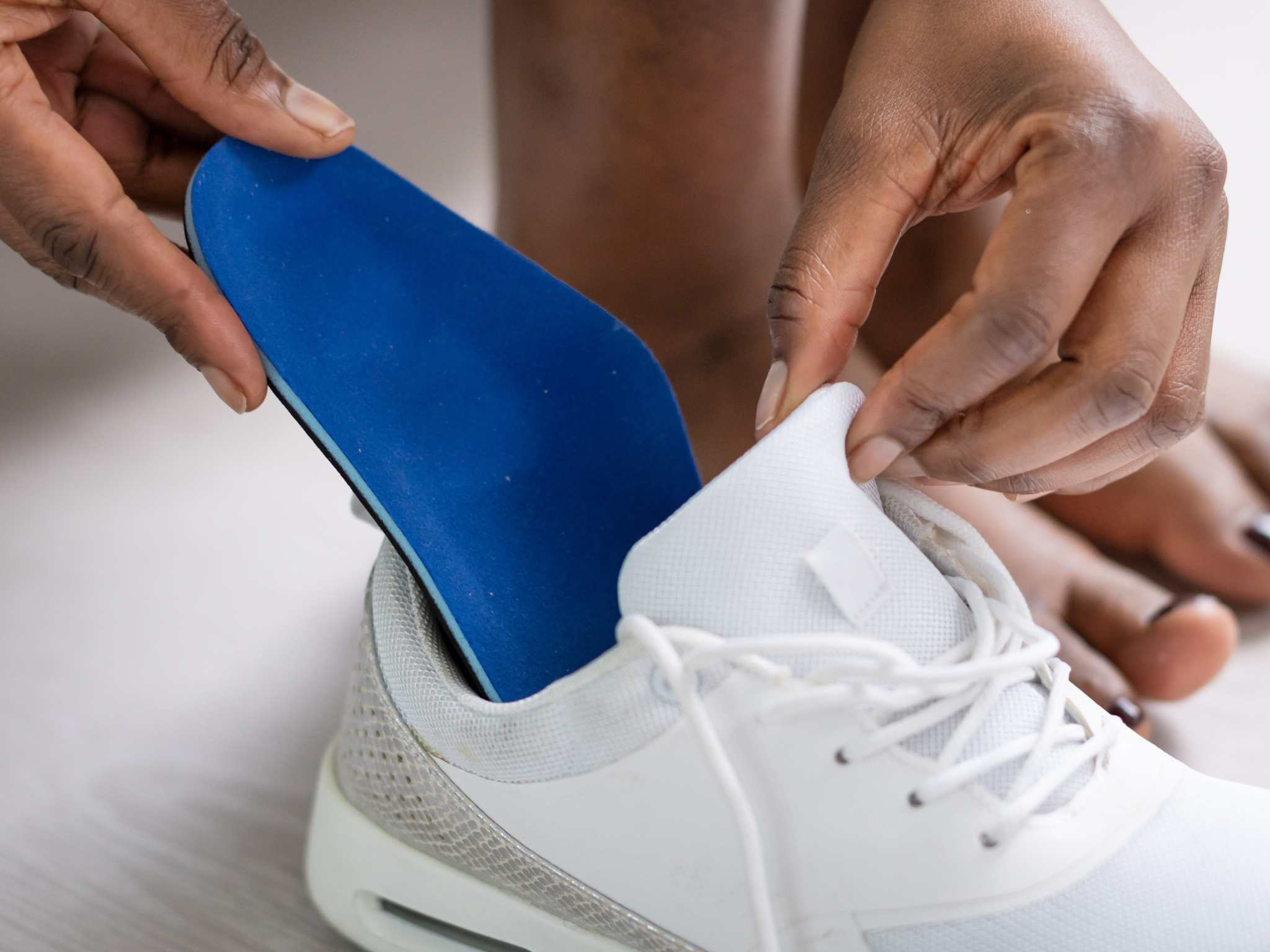
Custom orthotics are prescription shoe inserts designed to provide personalized support and improve foot function. Unlike generic insoles purchased at a retail store, custom orthotics are created based on your unique foot structure, gait pattern, and medical needs.
The evaluation process typically includes:
- Review of medical history
- Assessment of symptoms
- Examination of foot structure
- Gait analysis
- Foot measurements, scanning, or casting
This personalized approach allows orthotics to address the underlying causes of heel pain rather than simply cushioning the foot.
How Custom Orthotics Help Relieve Heel Pain
Custom orthotics work by improving how the foot functions during standing, walking, and physical activity.
Correcting Biomechanical Imbalances
Many cases of heel pain are linked to abnormal foot mechanics. Orthotics help support proper movement patterns and reduce excessive stress on the foot.
Reducing Strain on the Plantar Fascia and Heel
By supporting the arch and improving weight distribution, orthotics can reduce tension on the plantar fascia and surrounding tissues.
Shock Absorption and Pressure Redistribution
Custom orthotics help absorb impact forces and distribute pressure more evenly across the foot, reducing stress on painful areas.
Supporting Proper Foot and Ankle Alignment
Improved alignment can reduce strain not only on the foot but also on the ankles, knees, hips, and lower back.
Long-Term Relief
Unlike temporary solutions that only mask symptoms, custom orthotics address the mechanical factors contributing to pain, helping provide long-term relief and injury prevention.
Conditions That Benefit from Custom Orthotics
Custom orthotics may be recommended for a variety of foot and ankle conditions, including:
- Plantar fasciitis
- Heel spurs
- Achilles tendinitis
- Flat feet
- High arches
- Overpronation
- Supination
- Chronic heel pain caused by prolonged standing or walking
Because every patient is different, treatment recommendations are tailored to individual needs and activity levels.
Custom Orthotics vs. Over-the-Counter Insoles
Many people wonder whether over-the-counter insoles can provide the same benefits as custom orthotics.
While store-bought insoles may offer temporary comfort, they are designed to fit a wide range of users, rather than an individual’s unique foot structure.
Limitations of Over-the-Counter Insoles
- Generic sizing
- Limited support
- Minimal biomechanical correction
- Faster wear and breakdown
Personalized Support
Custom orthotics are designed specifically for your feet and can address alignment problems, gait abnormalities, and chronic pain conditions.
Durability and Long-Term Effectiveness
Custom devices are typically constructed from durable materials designed to withstand daily use for extended periods.
Cost vs. Value
Although custom orthotics generally require a higher initial investment, they often provide greater long-term value through improved comfort, durability, and symptom relief.
When OTC Insoles May Be Appropriate
Over-the-counter insoles may be suitable for mild discomfort or temporary support, but persistent heel pain often requires a more personalized solution.
Types of Custom Orthotics
Different orthotics are designed to address different needs.
Functional Orthotics
Functional orthotics are designed to improve foot mechanics and correct alignment issues.
They are often recommended for:
- Overpronation
- Gait abnormalities
- Athletic injuries
- Biomechanical dysfunction
Accommodative Orthotics
Accommodative orthotics focus on cushioning and pressure relief.
They may be beneficial for individuals with:
- Arthritis
- Diabetes
- Sensitive feet
- Pressure-related foot pain
Sport-Specific Orthotics
Sport-specific orthotics are designed to meet the demands of particular athletic activities.
These devices can help improve performance, reduce fatigue, and lower the risk of sports-related injuries.
How Long Should You Wear Custom Orthotics?
The length of time a patient should wear custom orthotics depends on several factors, including the underlying condition, activity level, and treatment goals.
Some patients use orthotics temporarily while recovering from an injury, while others benefit from long-term use to maintain proper foot alignment and prevent recurring symptoms.
Many individuals continue wearing orthotics as part of a preventative foot health strategy.
When Should Custom Orthotics Be Replaced?
Most custom orthotics last approximately one to two years, although lifespan can vary based on usage and activity levels.
Signs that replacement may be needed include:
- Visible wear or damage
- Reduced support
- Increased discomfort
- Changes in foot structure or symptoms
Regular follow-up visits allow your podiatrist to evaluate the condition of your orthotics and determine whether adjustments or replacements are necessary.
Are Custom Orthotics Right for You?
Custom orthotics may be an excellent option for individuals experiencing chronic heel pain, recurring foot discomfort, gait abnormalities, or biomechanical issues.
You may benefit from an evaluation if you experience:
- Persistent heel pain
- Foot fatigue
- Arch pain
- Frequent sports injuries
- Pain while standing or walking
A professional diagnosis is important to identify the root cause of your symptoms and determine the most effective treatment plan.
What to Expect During a Custom Orthotics Consultation
A custom orthotics consultation is designed to identify the factors contributing to your pain and determine whether orthotics are appropriate for your condition.
The process typically includes:
- Initial evaluation and medical history review
- Physical examination
- Gait analysis
- Foot scan or casting
- Orthotic fitting
- Follow-up care and adjustments as needed
This comprehensive approach helps ensure the orthotics provide the support and correction necessary for optimal results.
Schedule an Appointment for Heel Pain Relief
Heel pain should not prevent you from enjoying daily activities or staying active. If you’re experiencing persistent discomfort, seeking professional care can help identify the cause and provide effective treatment options.
Custom orthotics offer personalized support designed to address the underlying causes of heel pain, improve foot function, and promote long-term relief.
Contact our office today to schedule an evaluation and learn whether custom orthotics may be the right solution for your heel pain.